

Audit-defensible datasets for risk and fraud models.
LabelFort delivers audit-defensible annotation for BFSI AI, fraud datasets, KYC/AML document extraction, transaction labeling, with the documented QA evidence and chain-of-custody that model-risk management (SR 11-7 style) and internal audit expect.
BFSI institutionalised model governance before "AI governance" had a name. Model-risk teams already demand data lineage, documented quality controls and reproducible evidence, annotation vendors that cannot produce them do not survive vendor risk assessment.
LabelFort labels transactions, extracts KYC/AML documents and builds fraud-detection datasets under separation of duties, dual review and cohort-level IAA. Every dataset exports with the evidence pack your second line of defense can file.
Data residency, access controls and subprocessor transparency are documented on the Data Security & Trust page, and the Compliance Review maps LabelFort controls to your model-risk framework before any data moves.
Every dataset, the same model risk evidence.
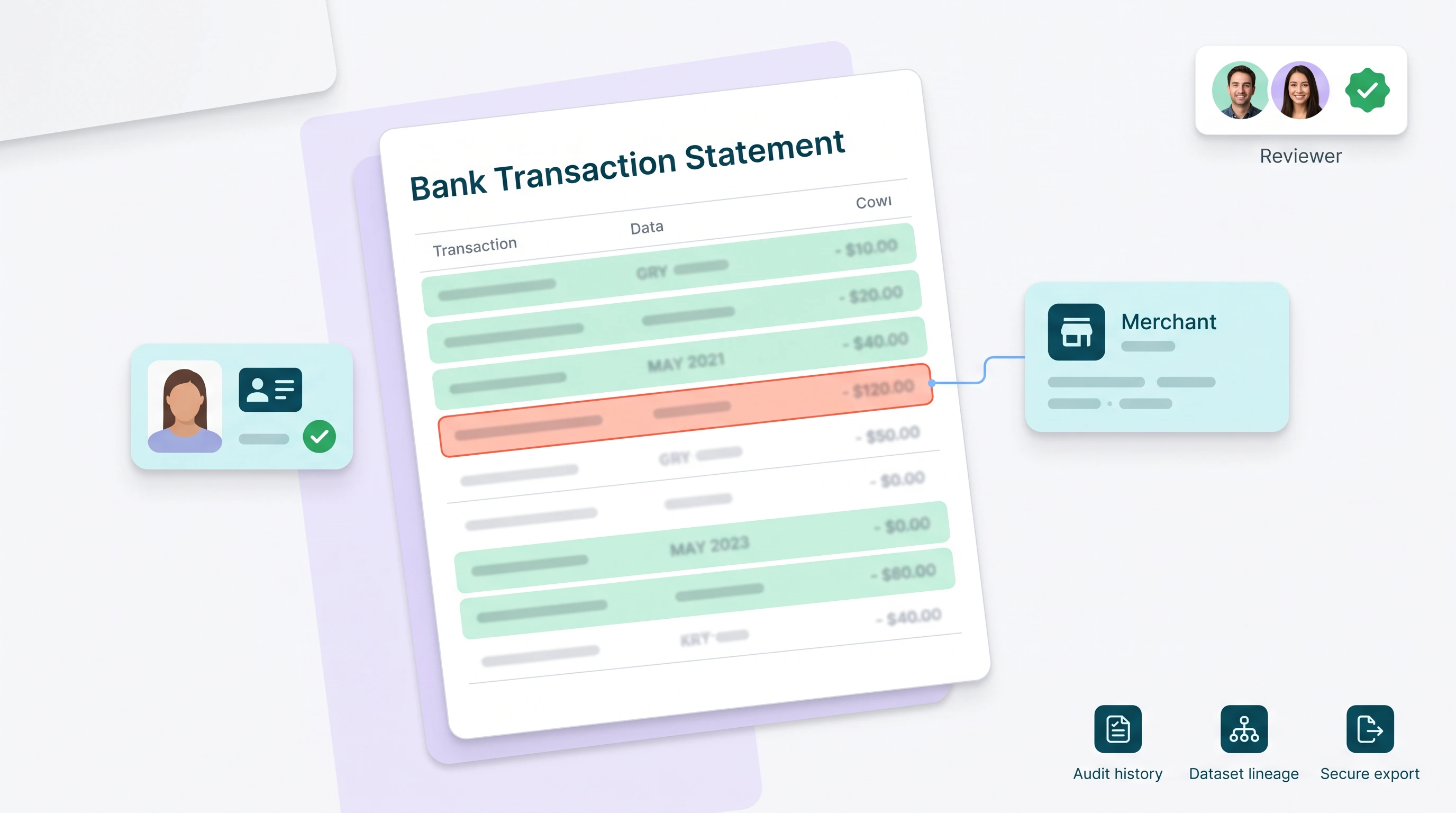
Building fraud datasets your second line of defense can file
Fraud detection datasets are built under separation of duties, dual review, and cohort level IAA, so a label's origin and the agreement behind it are both part of the record, not asserted after delivery. Every dataset exports with the evidence pack your second line of defense can file directly, the data lineage and documented quality controls model risk management already demands from any third party vendor.
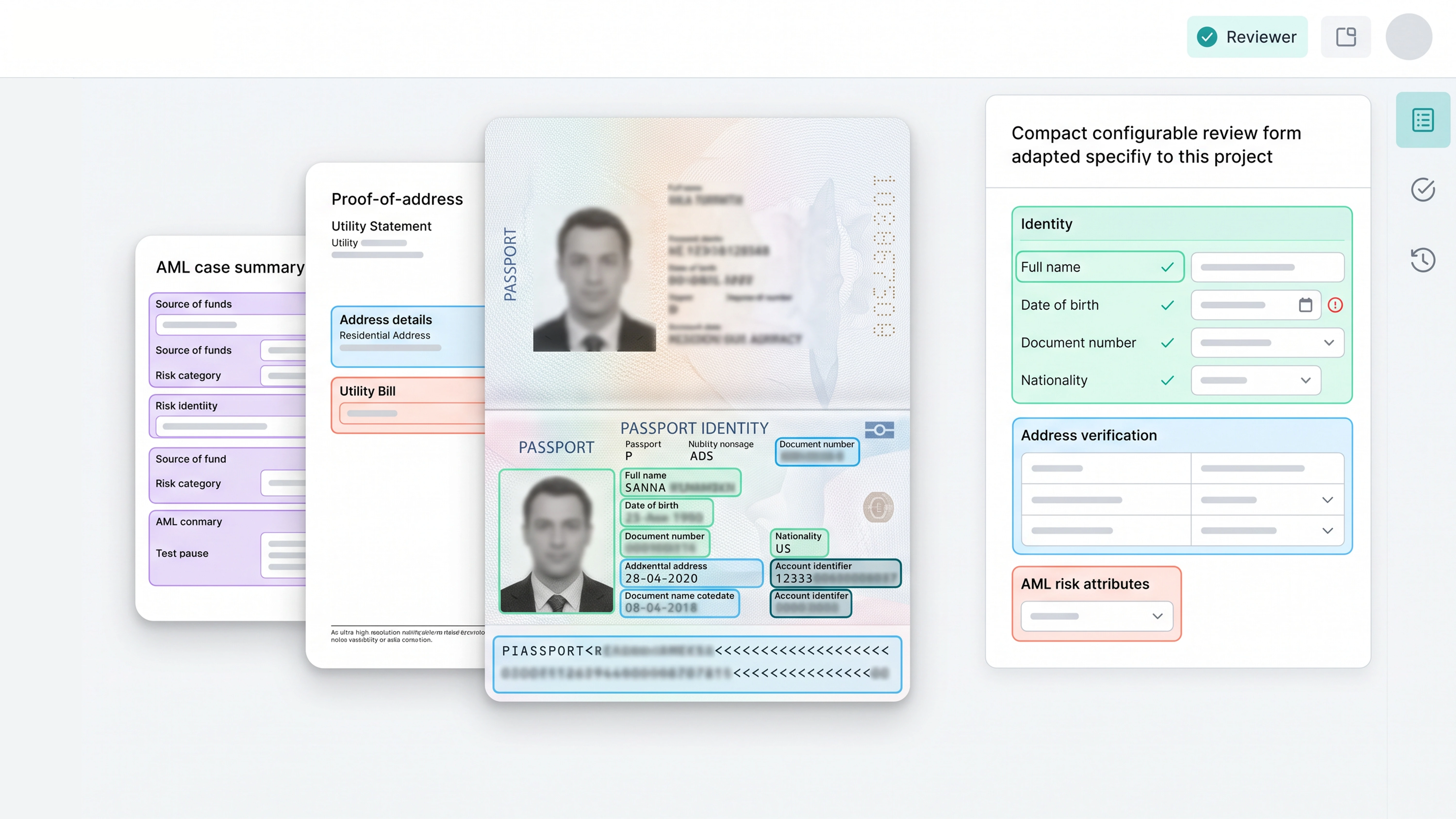
Extracting KYC & AML fields without a generic template
KYC and AML documents are extracted through configurable forms adapted to your fields and validation rules, domain trained teams operating under role based access and purpose limitation rather than a general document template. The same governance applies whether the document is a passport scan or an AML case file, no lighter standard for one over the other.
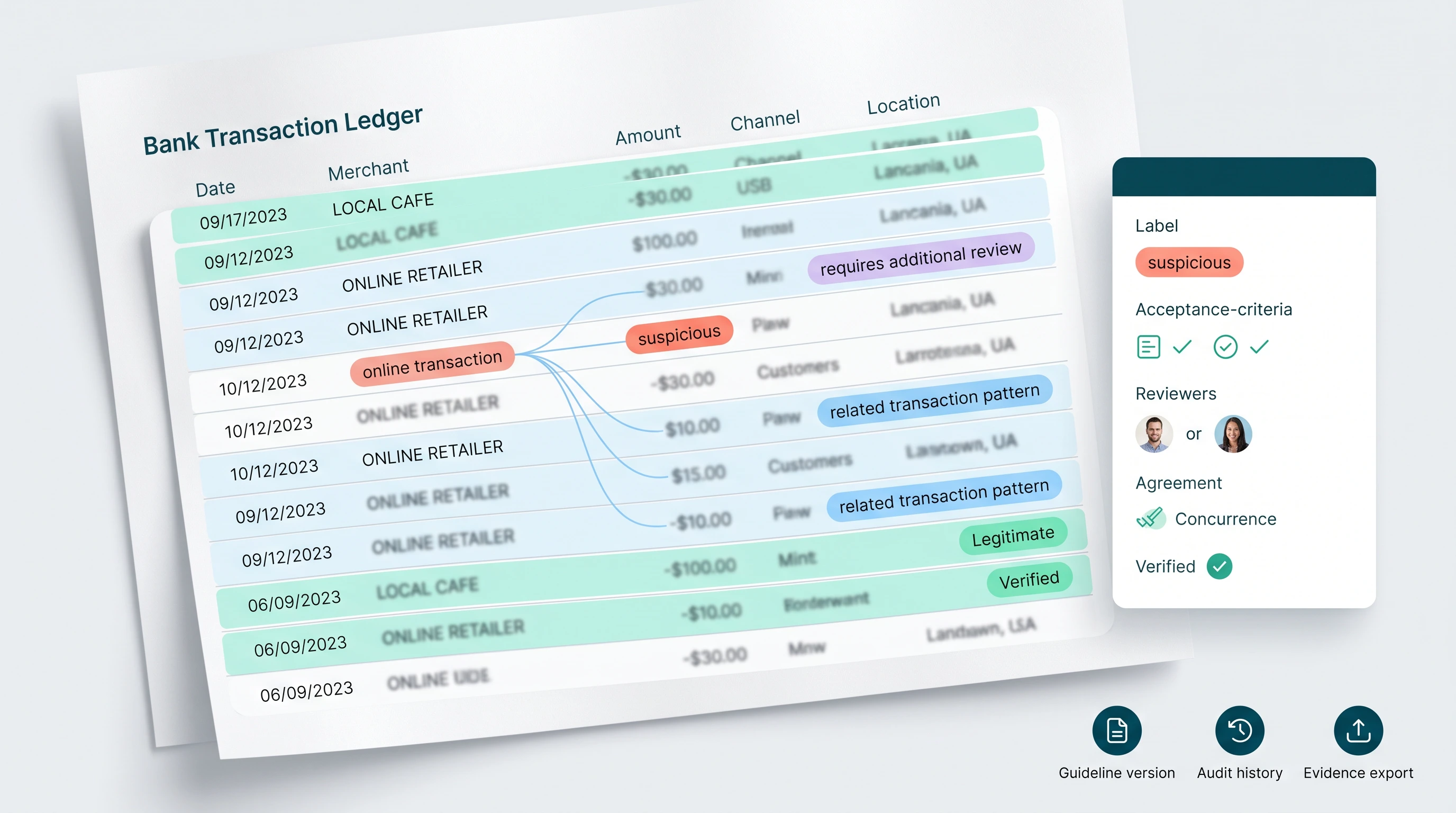
Scoring transaction labels the way model risk actually asks for
Transaction labeling runs under documented acceptance criteria and dual review, with measured Inter Annotator Agreement reported per cohort, the specific evidence model risk and internal audit teams ask a vendor risk assessment to produce. A label isn't just applied, it's scored against a written standard that survives a vendor risk review.
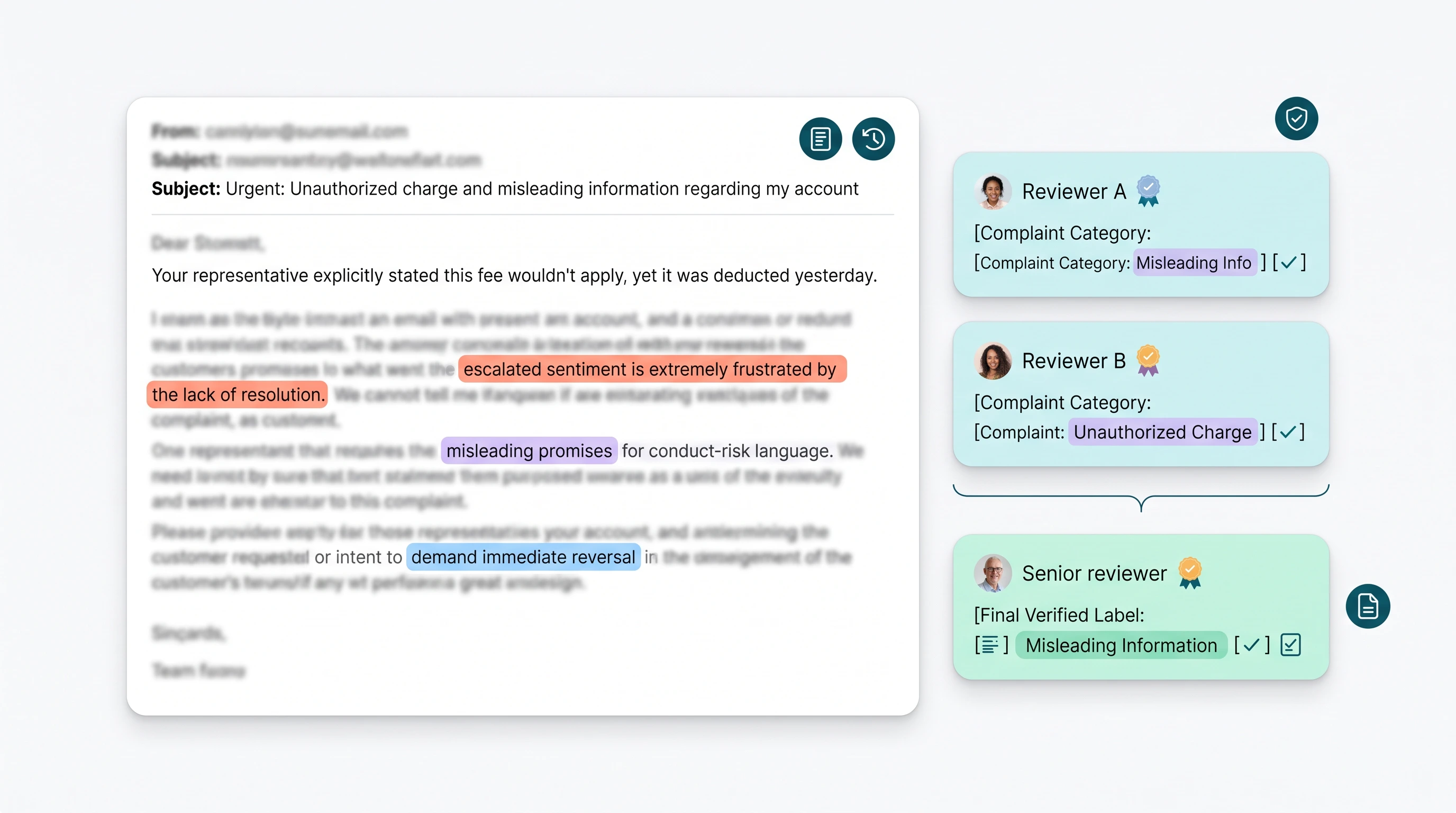
Applying the same adjudication discipline to complaints & conduct text
Complaints and conduct NLP work is dual reviewed and adjudicated against written guidelines, the same discipline applied to any other regulated text annotation program, not a lighter pass because the source is customer language rather than structured data. Disagreements go to adjudication on the record, not averaged away.
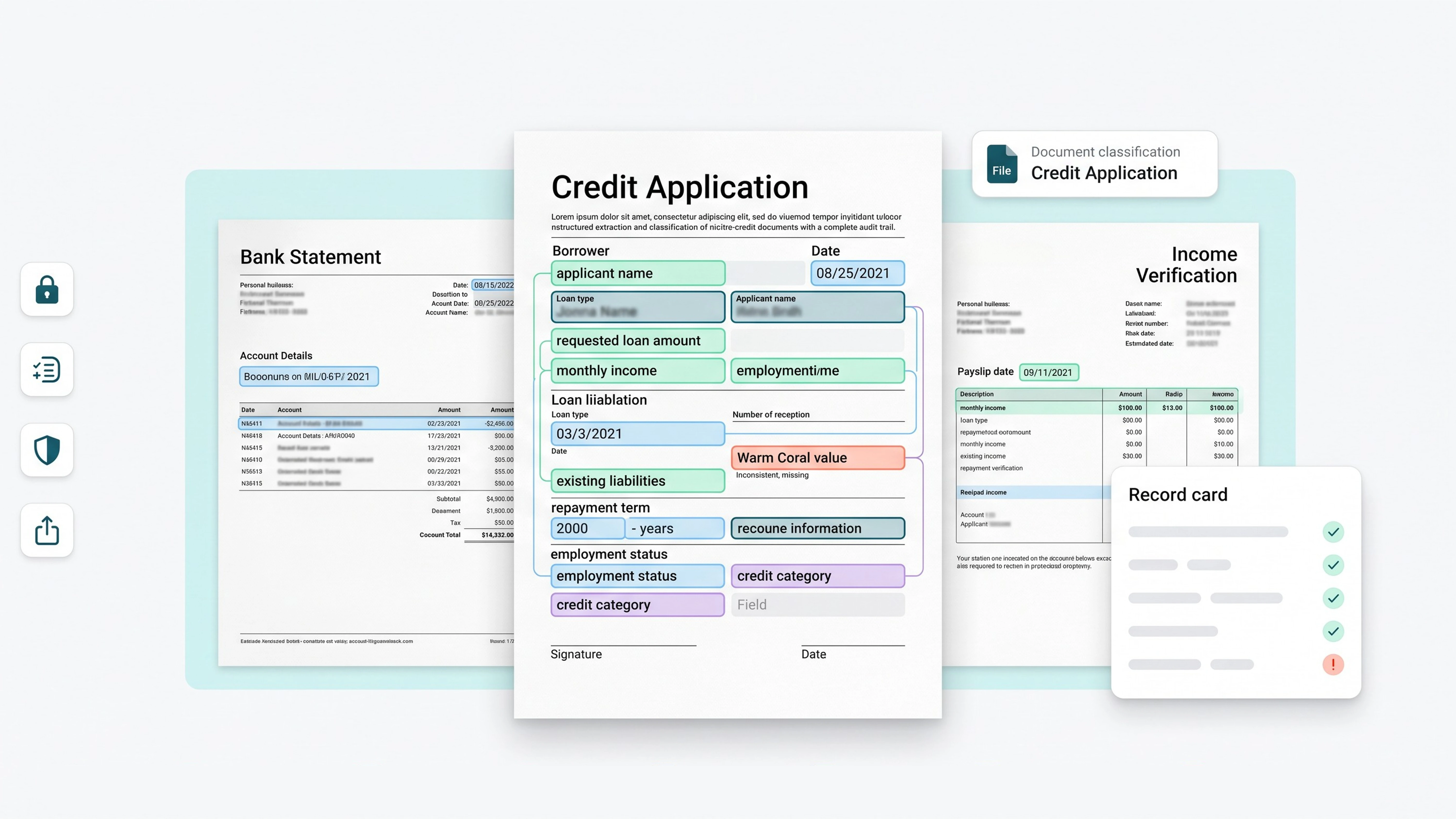
Processing credit documents with the same audit trail as everything else
Credit documents get structured field extraction and classification with immutable access logs for every action, data residency and subprocessor transparency documented on the Data Security & Trust page rather than answered ad hoc. The same evidence standard that applies to fraud datasets and KYC documents applies here too, nothing about credit processing gets a different, lighter treatment.
FAQs
How does LabelFort support model-risk management?
Documented acceptance criteria, dual review, measured Inter-Annotator Agreement and immutable audit trails give model-risk and internal-audit teams the data-lineage evidence they require from third-party data vendors.
Can LabelFort handle sensitive financial documents?
Yes, domain-trained teams operate under role-based access with purpose limitation, and every access and action is logged and exportable.
Ready to evaluate LabelFort against your regulator's checklist?
Begin with a one-hour Compliance Review. We will scope an evidence-grade proof of concept using your data & requirements. There are no open trials or hidden pricing.
Certifications & readiness