
RLHF & Model Evaluation
LabelFort provides RLHF services and model evaluation programs that help teams produce governed preference rankings, perform instruction tuning, conduct rubric based evaluation, and run red teaming. Every project includes trained evaluators, dual review, cohort level IAA reporting, and immutable audit trails.
Never routed through a competing lab
Human feedback is often the least governed part of most model pipelines, with anonymous raters, unversioned rubrics, and no mechanism for measuring agreement. For teams facing regulatory or safety review, that gap in how human feedback is collected is unacceptable. LabelFort applies annotation grade governance to RLHF: trained evaluator cohorts, versioned rubrics, and agreement scored per task type.
What RLHF data actually involves
Most teams asking for RLHF services mean one of three things, and the governance requirements differ for each. Preference pairs ask a rater to choose between two model outputs against a written rubric, so the pair, the rubric version, and the rater's identity all need to be logged together, or the resulting reward model inherits noise nobody can trace back. Instruction tuning data is a single correct or preferred response written or selected against a task spec, closer to standard annotation than preference ranking, but still needs a second reviewer checking the first rater's judgment against that spec. Red teaming is different again: a rater is deliberately trying to elicit an unwanted output, so the record has to capture the prompt, the model's response, the category of harm being tested for, and whether the attempt succeeded, since that record is what a safety review will actually ask for later.
Your preference data and evaluation results are never routed through a competing foundation model lab. Run RLHF services through the platform with your own evaluator pool, or hand the work to LabelFort's trained evaluator cohorts, either path produces a per cohort agreement score, a versioned rubric history, and an audit trail your safety review board can actually inspect. Model output audit applies those same evaluators and rubrics to production outputs on a recurring basis, so drift is measured continuously, not caught only when something visibly goes wrong. Turnaround scales by adding evaluators to the same governed process, never by relaxing review under pressure, and domain expertise stays non negotiable, a red teaming exercise on medical or financial harm needs evaluators who can actually recognize it, not a generic rubric.
Evaluation capabilities
RLHF Preference Collection
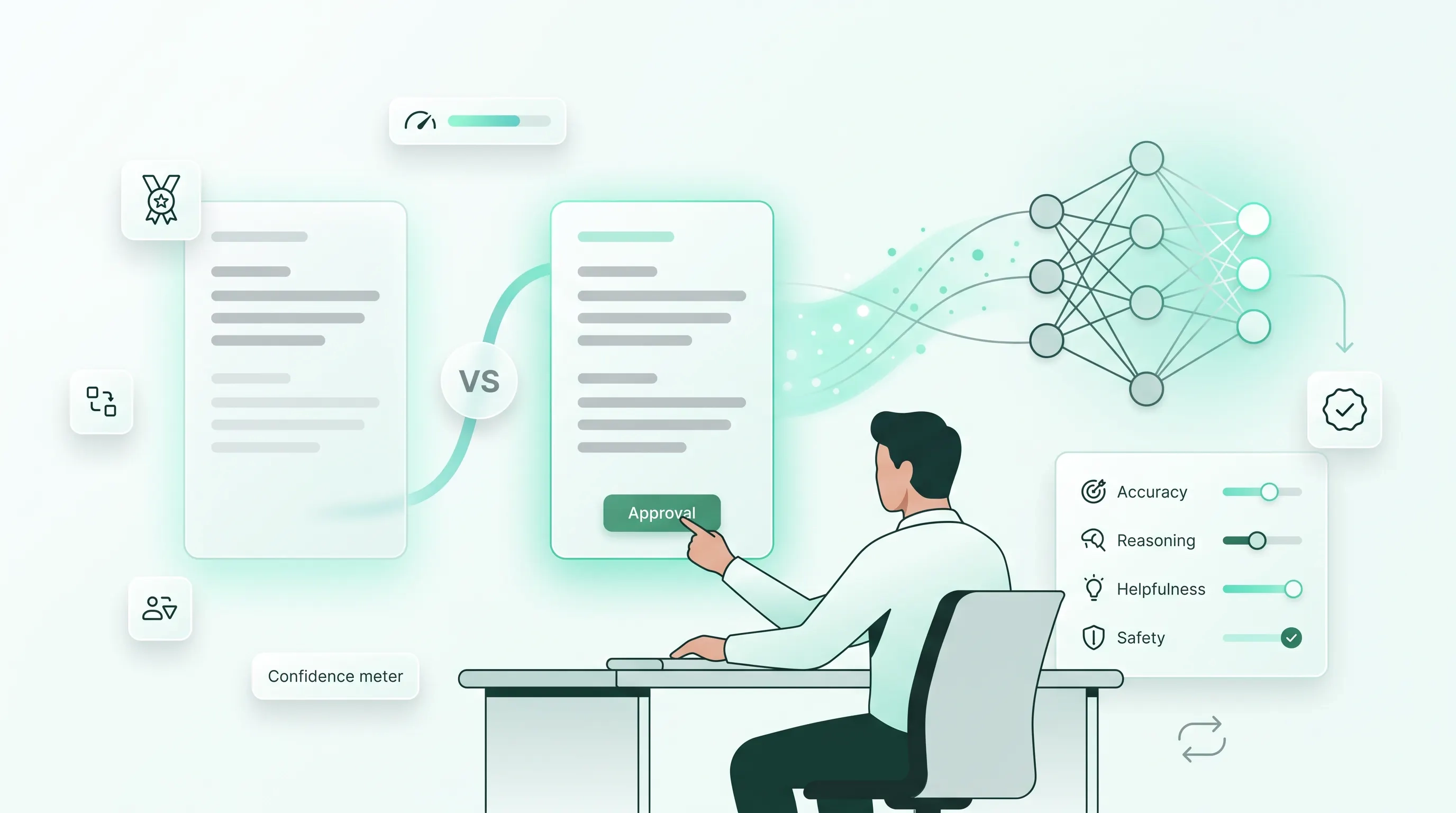
A rater chooses between two model outputs against a written rubric, and the pair, the rubric version, and the rater's identity all get logged together, so the resulting reward model doesn't inherit noise nobody can trace back.

Instruction Tuning Data
A single correct or preferred response written or selected against a task spec, closer to standard annotation than preference ranking, but still checked by a second reviewer against that same spec before it counts toward the record.
Evaluation Rubrics & Scoring
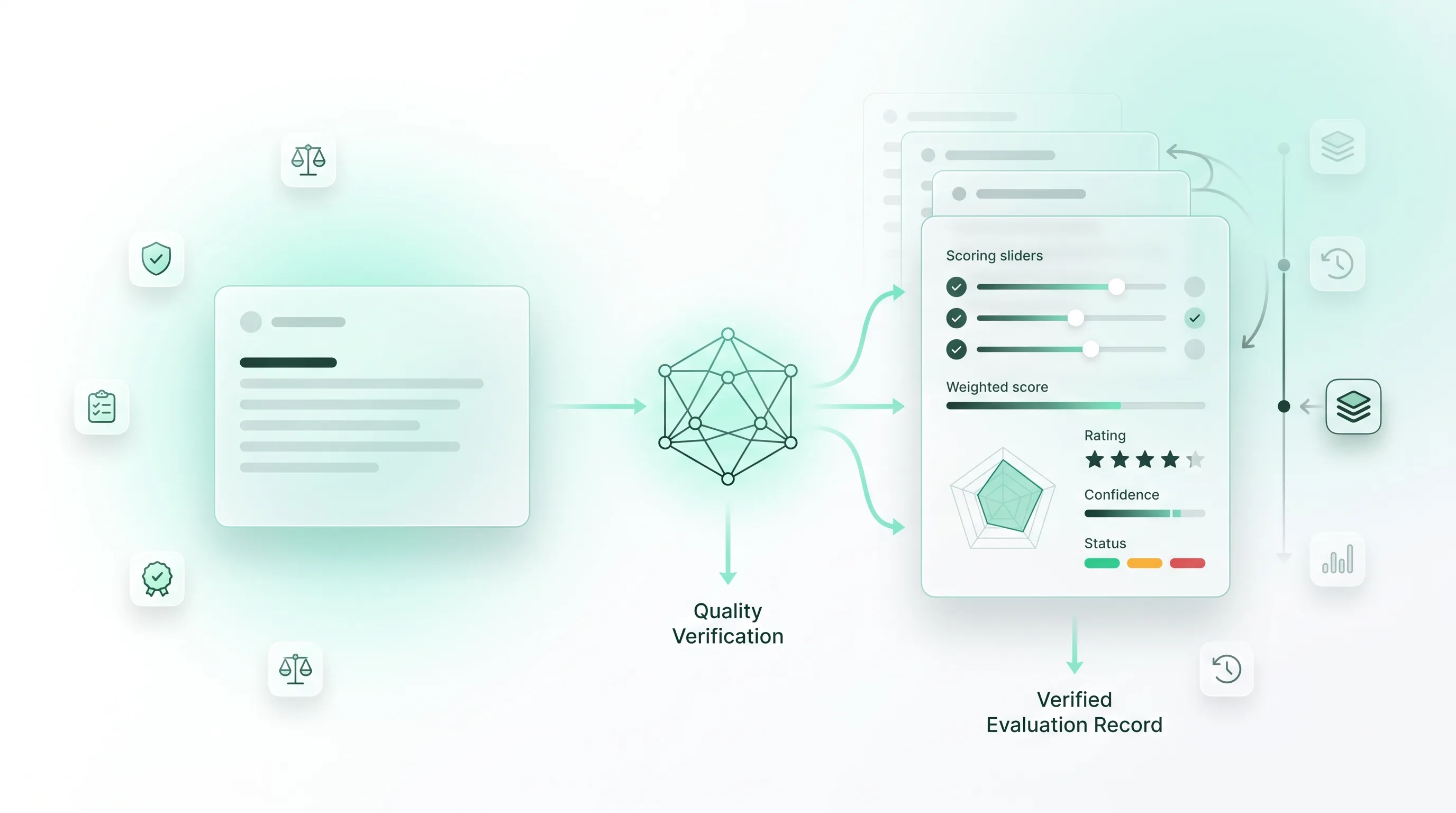
Rubrics are versioned from the start, so when evaluation criteria change mid project the new version is logged separately rather than overwriting the old one, and a preference collected under an earlier version is never silently reinterpreted as if it had been scored against the current one.
Red Teaming & Safety Evaluation
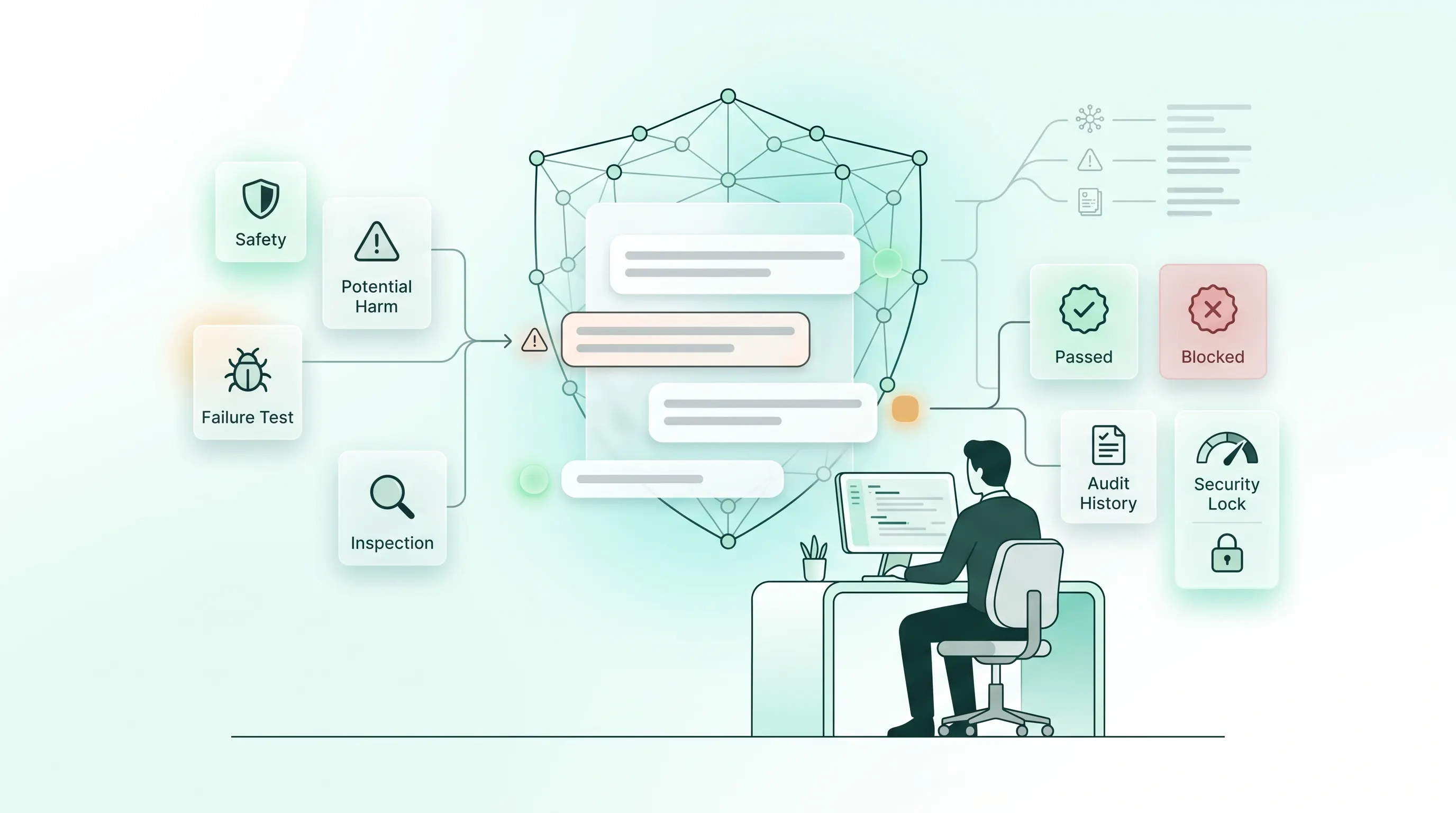
A rater deliberately tries to elicit an unwanted output, and the record captures the prompt, the model's response, the category of harm being tested for, and whether the attempt succeeded, since that's what a safety review actually asks for later.
Model Output Audit
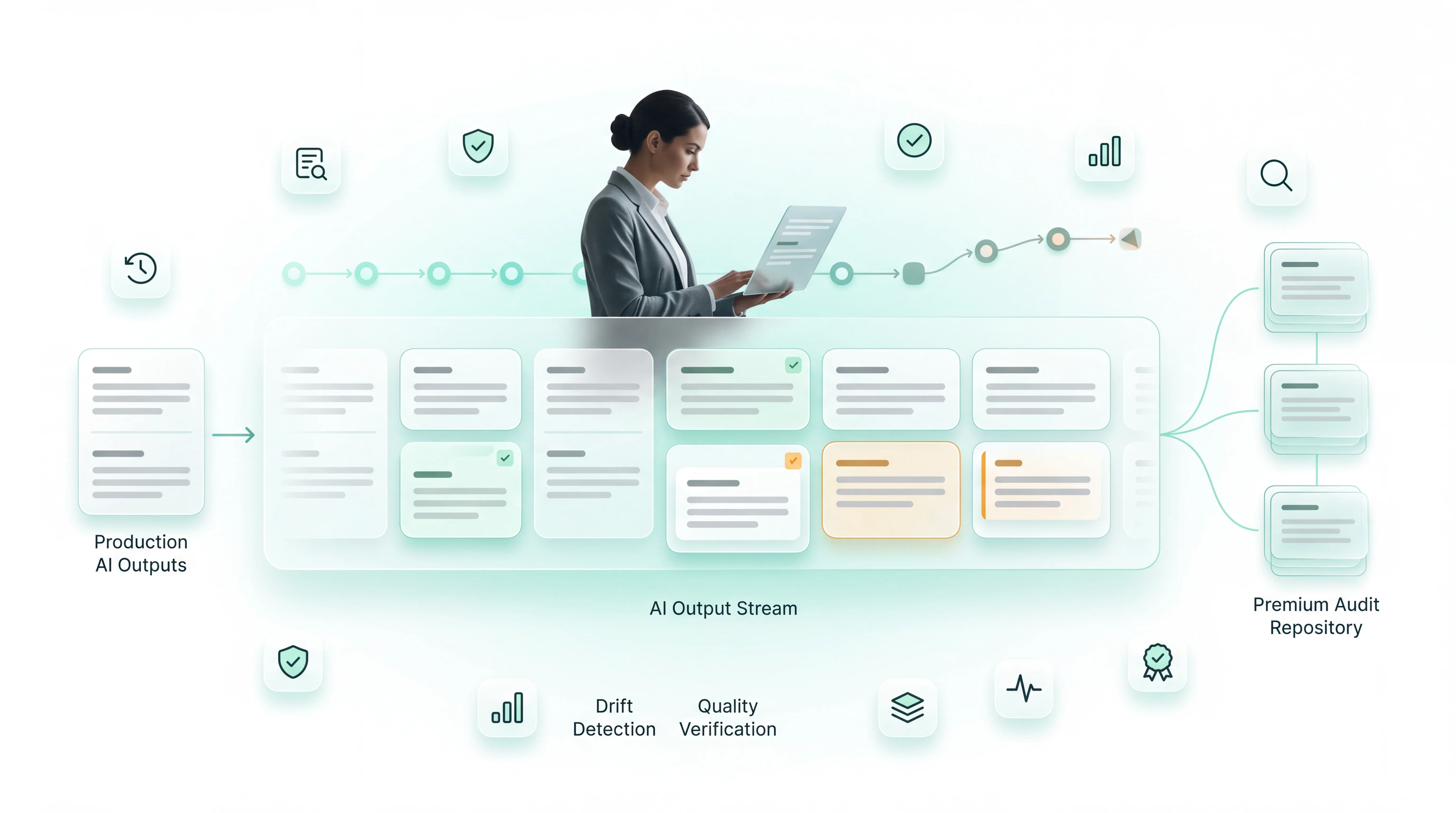
The same evaluators and versioned rubrics used for preference collection apply to production outputs on a recurring basis, so drift in model behavior gets measured continuously rather than caught only when something visibly goes wrong.
FAQs
Why does IAA matter for RLHF?
Preference labels are subjective judgments. Without measured agreement, it is impossible to distinguish meaningful signal from rater noise, or to demonstrate data quality during a model risk or safety review. LabelFort measures agreement on every RLHF cohort, so your team can defend the results with evidence rather than assertion.
Is LabelFort independent of foundation model labs?
Yes. Predusk Technology Pvt. Ltd. is not owned by any hyperscaler or model lab. Your RLHF and evaluation data stays yours.
What happens if the evaluation rubric changes mid project?
A rubric can change mid project, model behavior and evaluation criteria both evolve. When it does, the new version is logged separately rather than overwriting the old one, so a preference collected under an earlier rubric version is never silently reinterpreted as if it had been scored against the current one.
Related services
Image Annotation
Enhanced precision and reliability for vision based models, with the evidence pack to defend them.
Read More
Video Annotation
Better recall for dynamic events, with continuity that holds across every frame.
Read More
Text Annotation
Robust datasets that support stable and accurate language models.
Read More
Ready to evaluate LabelFort against your regulator’s checklist?
Begin with a one-hour Compliance Review. We map your risk surface to LabelFort's controls & develop evidence-grade proof of concept using your data & requirements. No open trials or hidden pricing.
Certifications & readiness