
Image Annotation Services
LabelFort is both a self serve image annotation tool and a fully managed annotation service. Use the platform directly for bounding boxes, segmentation, keypoints, polylines, and depth cuboids, or hand the work to trained teams on LabelFort under the same governance. Each label undergoes dual human review, achieves an Inter Annotator Agreement score above 0.90, and exports with a complete audit trail in COCO, YOLO, or KITTI.
Every label leaves a paper trail
LabelFort routes every image annotation project through a governed pipeline: model assisted pre labeling, human correction, independent verification, and cohort level IAA sign off, with disagreements adjudicated on the record, never averaged away. Every geometry keeps a full history, who drew it, which model seeded it, who verified it, exported as a chain of custody, and custom ontologies are versioned as they change rather than silently overwritten. Run it through the platform yourself as your own image annotation tool, or hand it to LabelFort's managed image annotation services, the audit trail, the IAA record, and the chain of custody are identical either way.
Image annotation capabilities
LabelFort's image annotation services cover five core techniques, each scored under the same evidence standard, not a lighter one just because the geometry is simpler or more complex.
Detection With Bounding Boxes & Circles
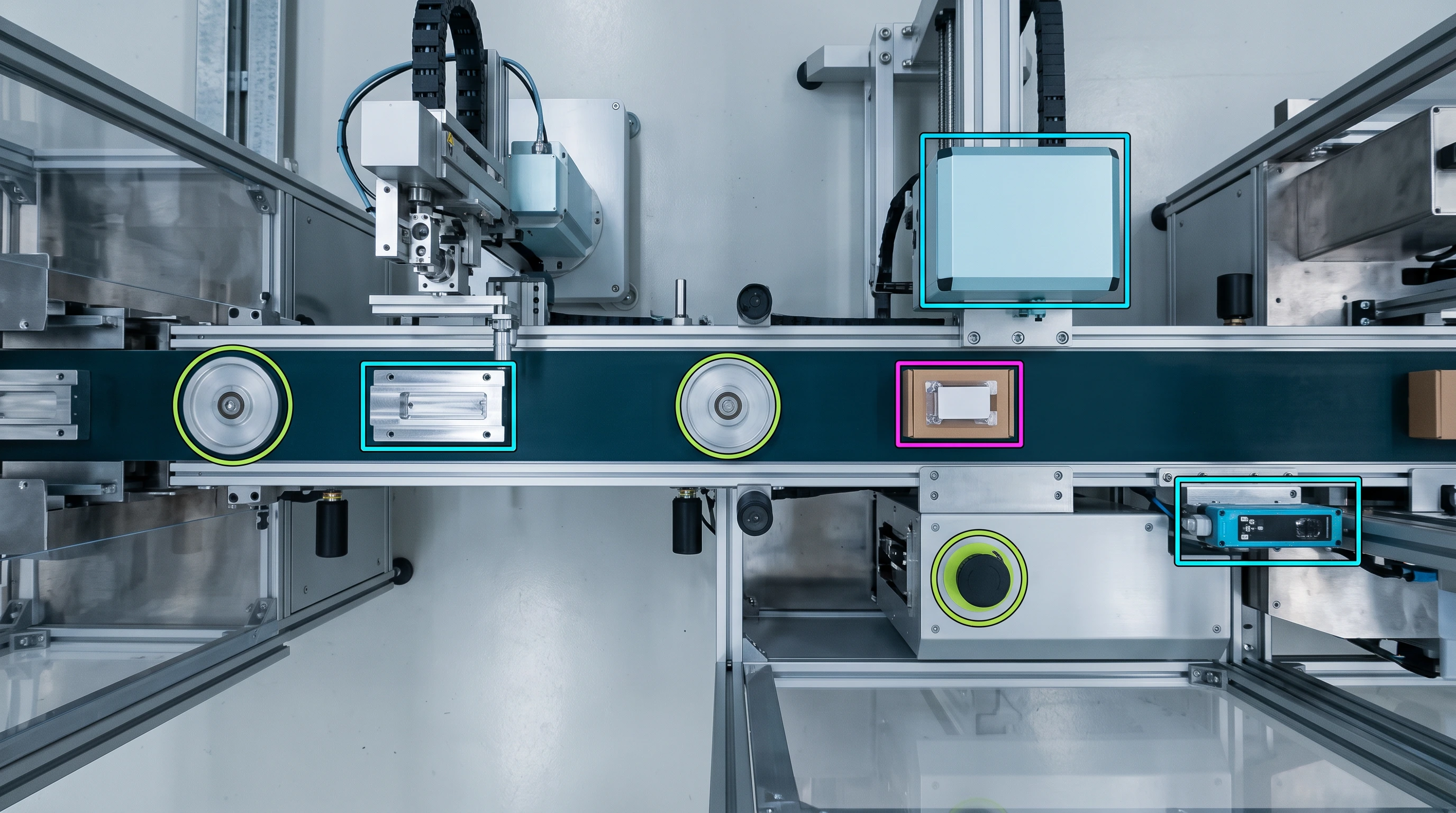
Detection marks where an object sits in a frame. A bounding box is the fastest way: a rectangle drawn tight around a vehicle, a defect, or a person. Most object detection work uses boxes, and LabelFort's image annotation services treat each box as a scored, auditable label, not a quick draw. Circles handle round objects better when a rectangle would cover too much. Ten cars in a parking lot stay ten separate labels, not one blurry group, so a model can count and track each one on its own.
Segmentation with polygons, brush masks, & SAM assisted masks
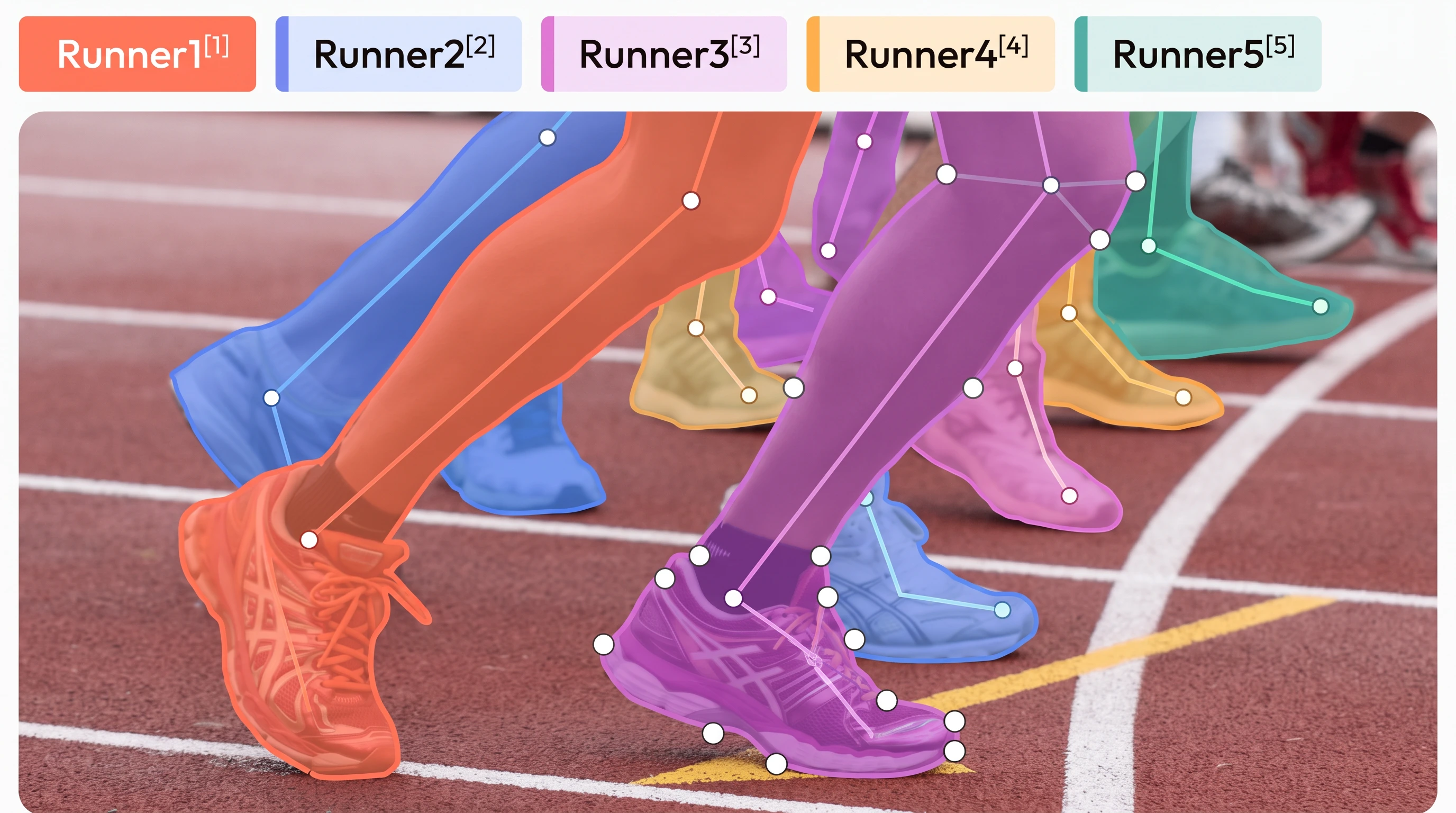
Not every object fits a box. Polygons follow the real outline of an irregular shape, a damaged panel, an oddly shaped product, a curved road sign. Brush masks go pixel by pixel when even a polygon is too rough, for example foliage or spilled material, and they export as COCO run length encoded masks. SAM assisted segmentation speeds this up: the model proposes a mask first, then a human corrects it against the image, so you gain speed without skipping review.
Keypoints & skeleton based pose
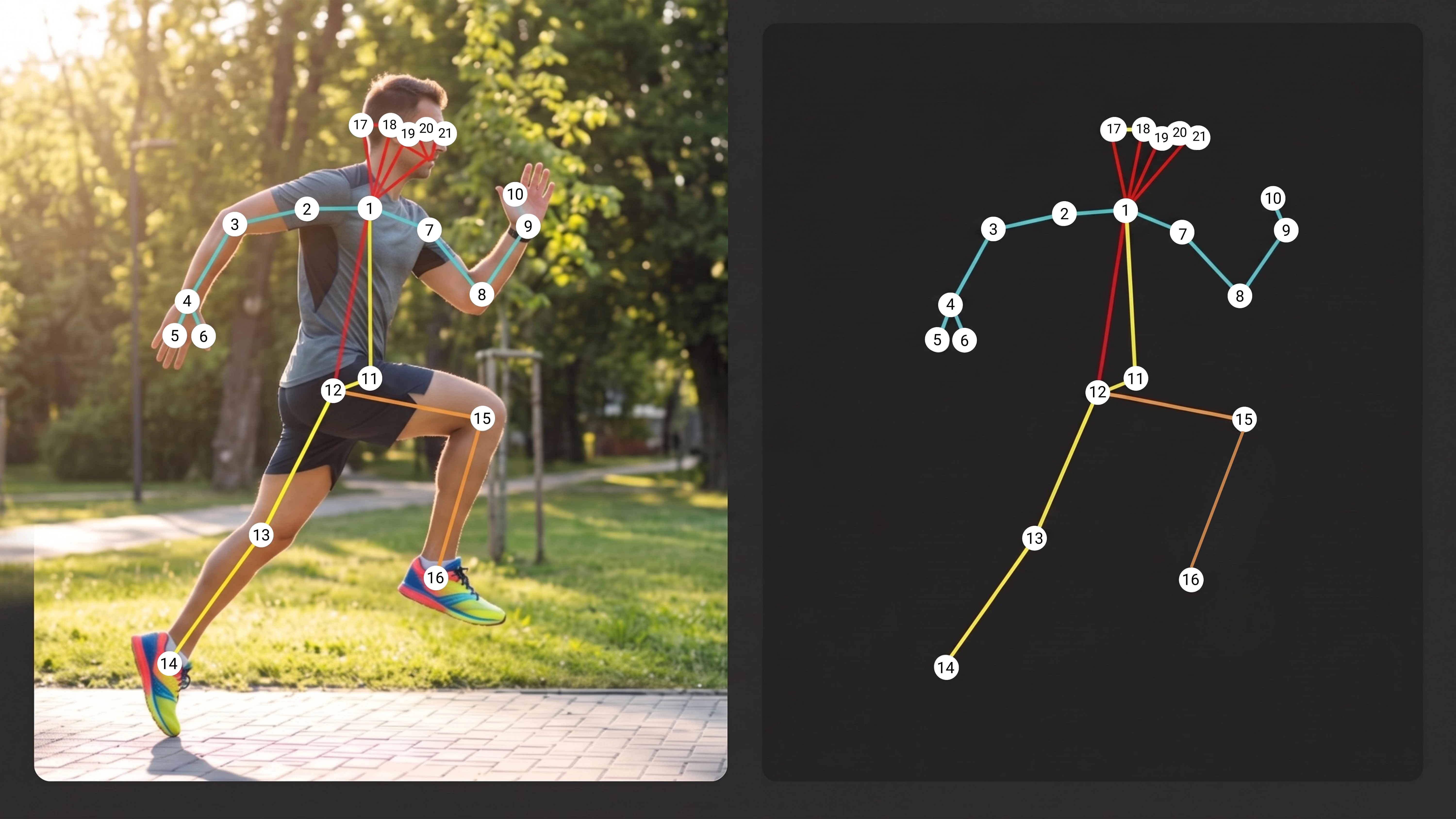
Keypoints mark specific points on an object, a joint, a facial feature, a fixed reference, rather than outlining the whole shape. Placement is scored against a written guideline, the same as every other geometry. Keypoints can also link into a skeleton: you define the points and connections once, and each annotation carries that structure, so a model can read posture and movement on a person, an animal, or a robotic arm. Pose datasets ship with the same evidence standard as a bounding box dataset.
Polylines & lane detection
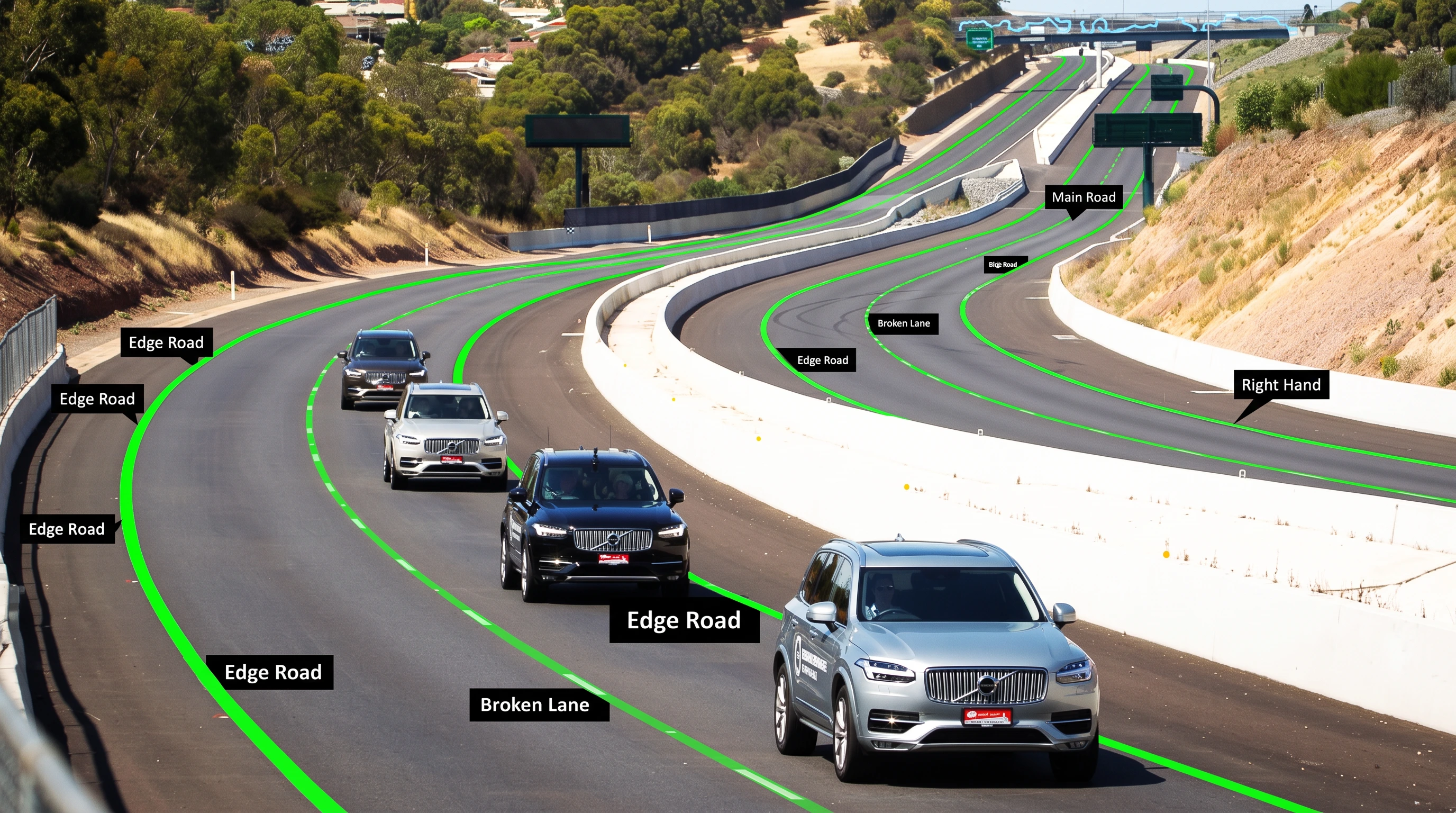
Polylines follow paths such as road lanes, rail lines, or pipelines with connected points, not a closed shape. Use them when the route matters more than the area. LabelFort delivers this data in Excel or CSV so it drops into mapping or autonomous vehicle pipelines.
Depth cuboids
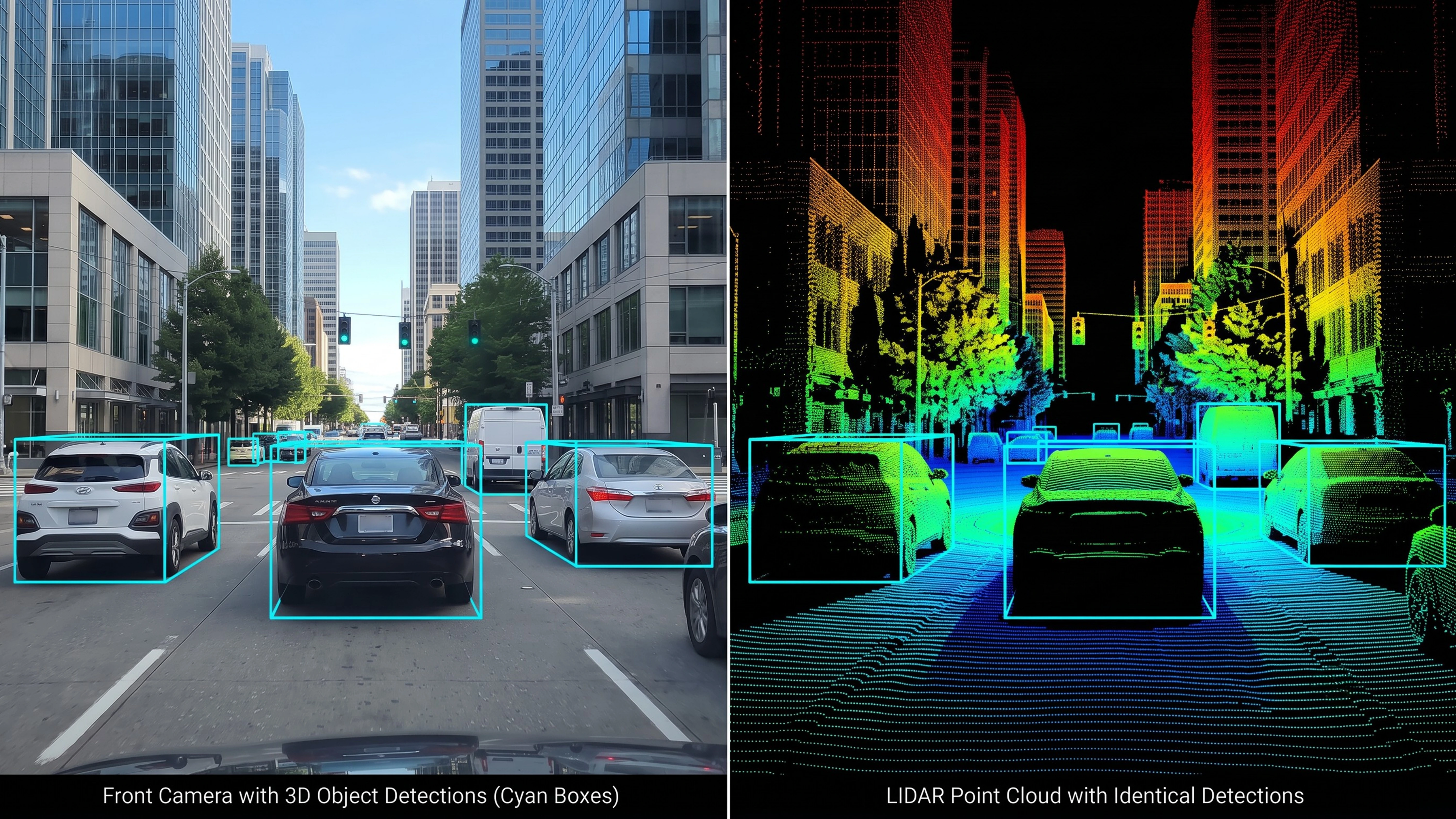
Depth cuboids place a depth aware 3D box on a regular 2D image, so you capture where an object sits and how it sits in space. LabelFort's image annotation services use them for driving, robotics, and logistics work that needs 3D reasoning from camera images without a full point cloud. Like every other geometry, they keep a full edit history and the same agreement standard.
FAQs
What image annotation types does LabelFort support?
For images, LabelFort supports five annotation types: detection with bounding boxes and circles, segmentation with polygons, brush masks, and SAM assisted masks, keypoints with skeleton based pose, polylines for lanes and other linear structures, and depth cuboids for depth aware 3D boxes on 2D images. All are configurable with custom ontologies and attribute schemas. Polyline and lane data is delivered in Excel or CSV.
How is image annotation quality measured?
Dual review against written acceptance criteria, with Inter Annotator Agreement scored per cohort using Cohen's kappa, and IoU or F1 for geometric agreement. The proof threshold is above 0.90, validated on your dataset during the proof of concept.
What happens if our ontology changes mid project?
Ontologies are versioned from the start. A change to label definitions mid project does not retroactively alter earlier annotations without a recorded transition. Reviewers work against whichever ontology version was live when a given batch was labeled, so the history stays consistent even as the taxonomy grows.
How are annotation disagreements resolved?
Disagreements go to adjudication against the written guideline, not a majority vote. The adjudicator's decision, and the reasoning behind it, becomes part of the record, so a downstream audit can see not just the final label, but why it was chosen over the alternative.
Does quality hold as volume scales?
Volume ramps by adding trained reviewers to the same governed pipeline, not by loosening review depth to move faster. A project scoped for a thousand images a week and one scoped for a hundred thousand run the same acceptance criteria, the same dual review, and the same cohort level IAA sign off. The difference is team size, not process.
Is LabelFort an image annotation tool or a managed service?
Both. LabelFort is an image annotation tool you can run yourself, with role based workspaces and the same ontology and QA tooling described above, and a managed service where LabelFort's own teams do the work under your constraints. Most regulated teams use a mix, self serve for lower risk batches, managed for anything that needs domain trained reviewers.
Ready to evaluate LabelFort against your regulator’s checklist?
Begin with a one hour Compliance Review to assess how our image annotation services align with your regulatory checklist. We develop an evidence grade proof of concept using your data & requirements. There are no open trials or hidden pricing.
Certifications & readiness