LiDAR Annotation & Point Cloud Annotation
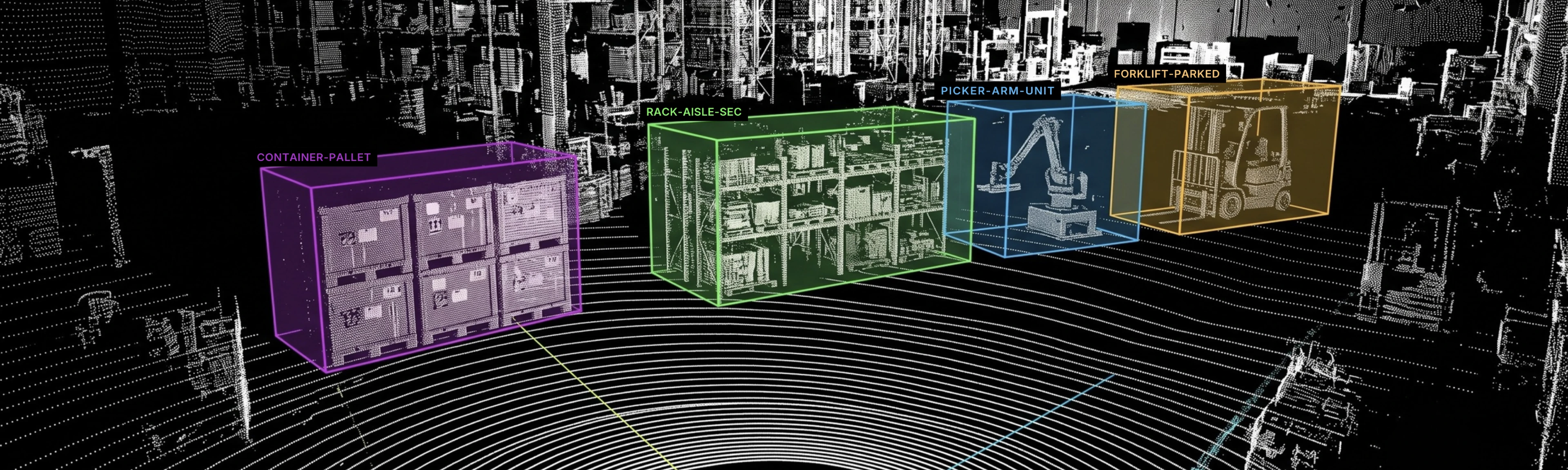
LabelFort's lidar annotation and point cloud annotation services deliver precise 3D cuboids across synchronized top, side, front, and perspective views. Each dataset receives an IAA score and exports in KITTI ready format, with a documented chain of custody to support your safety case.
Built for the safety case, not the demo
LabelFort's lidar annotation and point cloud annotation run through a synchronized four view setup, perspective, top, side, and front, so an occluded edge in one view, a pedestrian behind a parked car, an object at the edge of a sweep, is confirmed against the other three before a cuboid is accepted. Camera and lidar data share scene context inside the same multimodal project, calibrated before annotation starts rather than reconciled by the reviewer. Run this through the platform yourself, or hand captures to LabelFort's managed teams, the IAA score, the chain of custody, and the cuboid placement history are identical either way, which is what a safety case actually gets built from, not a single accuracy number.
LiDAR annotation capabilities
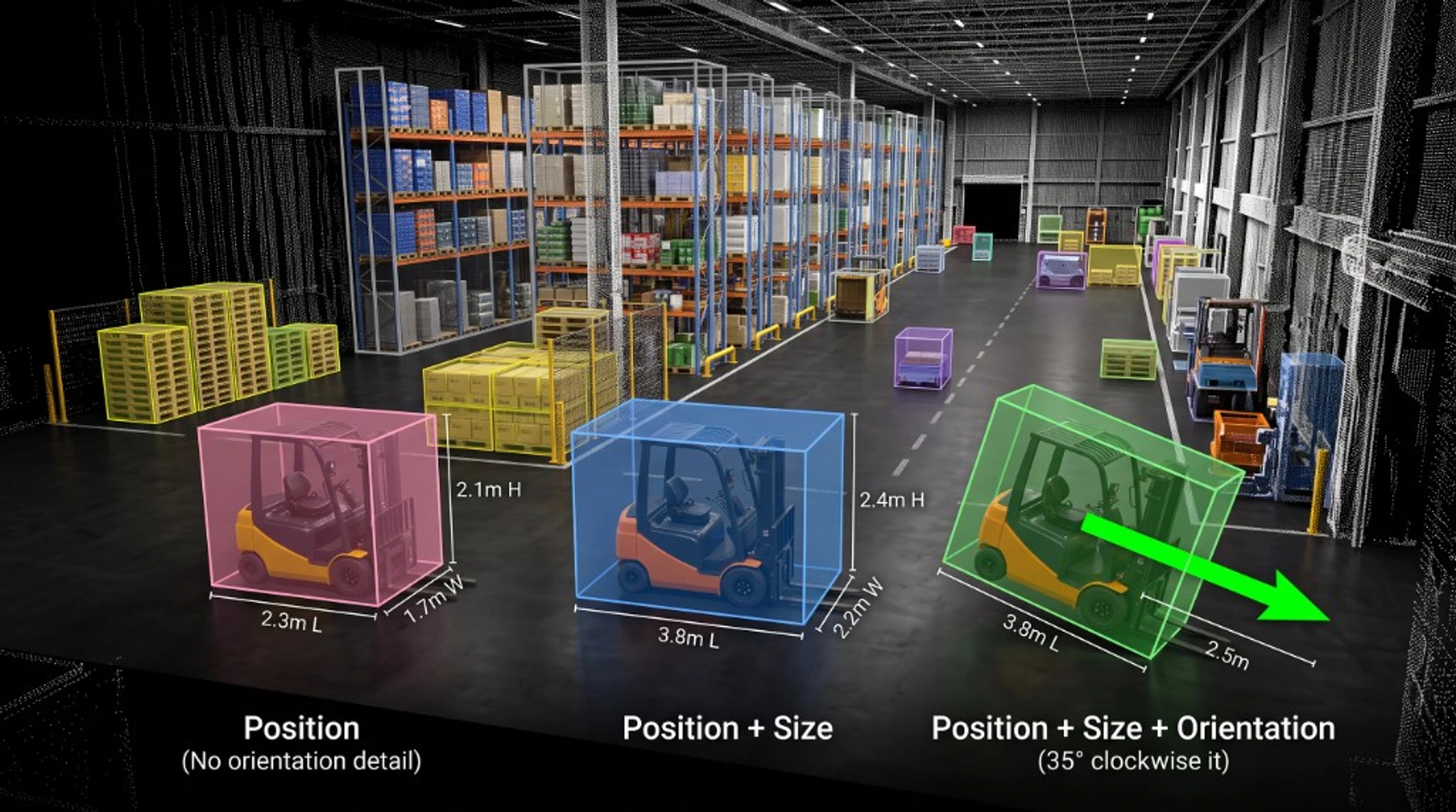
3D Cuboids Annotated with Position, Size, & Orientation
A cuboid is the 3D equivalent of a bounding box, but position alone isn't enough in a point cloud, size and orientation matter just as much. A vehicle's heading, which way it's facing, not just where it sits, is often the detail an autonomous vehicle or robotics model needs, and LabelFort's lidar annotation captures all three dimensions together rather than treating orientation as an afterthought.
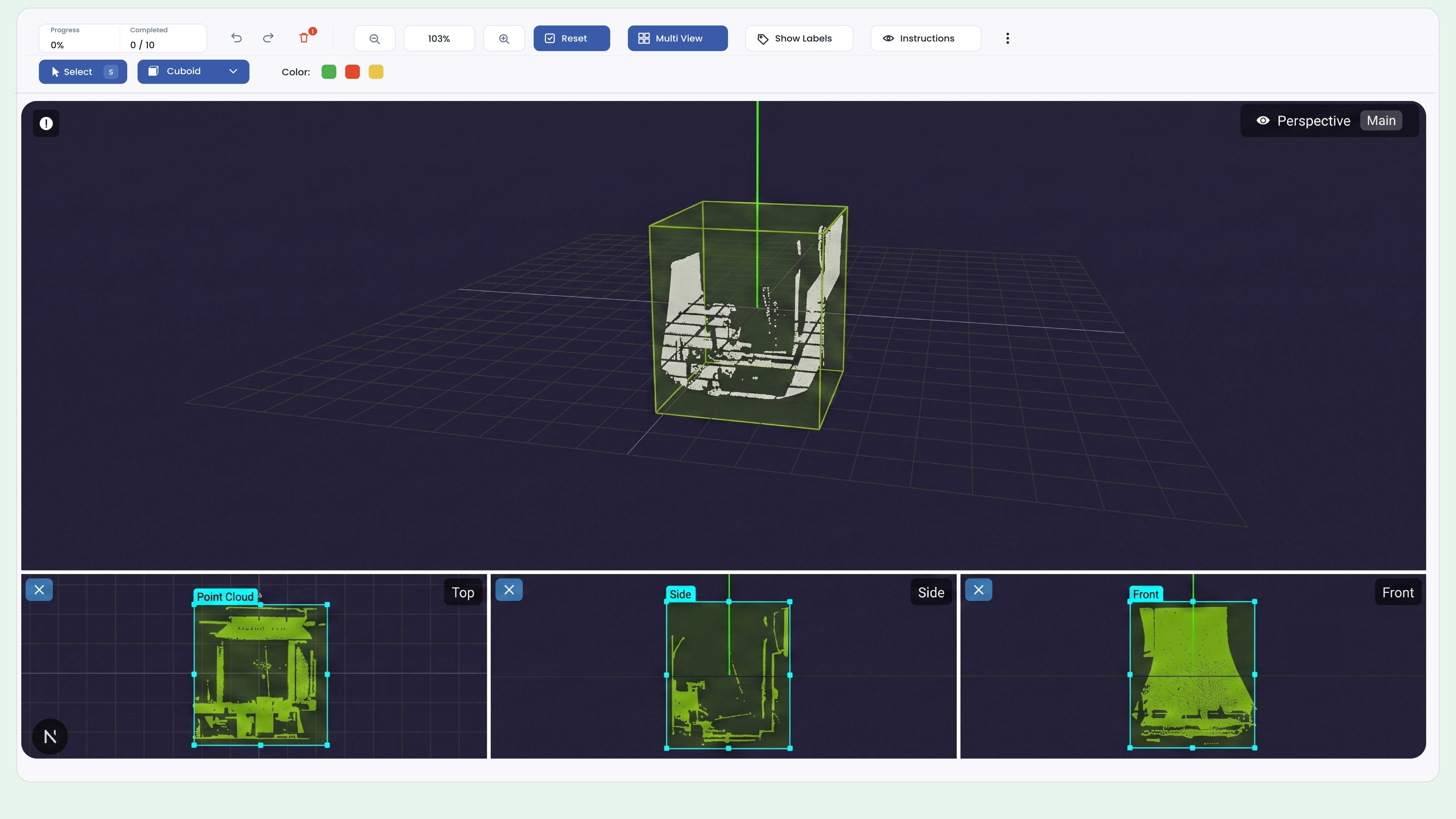
Synchronized Four View Review in CVAT Style
Every cuboid is checked from perspective, top, side, and front simultaneously, not just the angle it was originally drawn in. This is where occlusion gets caught, an object partly hidden in one view is confirmed or corrected against the other three, the same discipline applied to every geometry LabelFort delivers, just adapted to three dimensions instead of one.
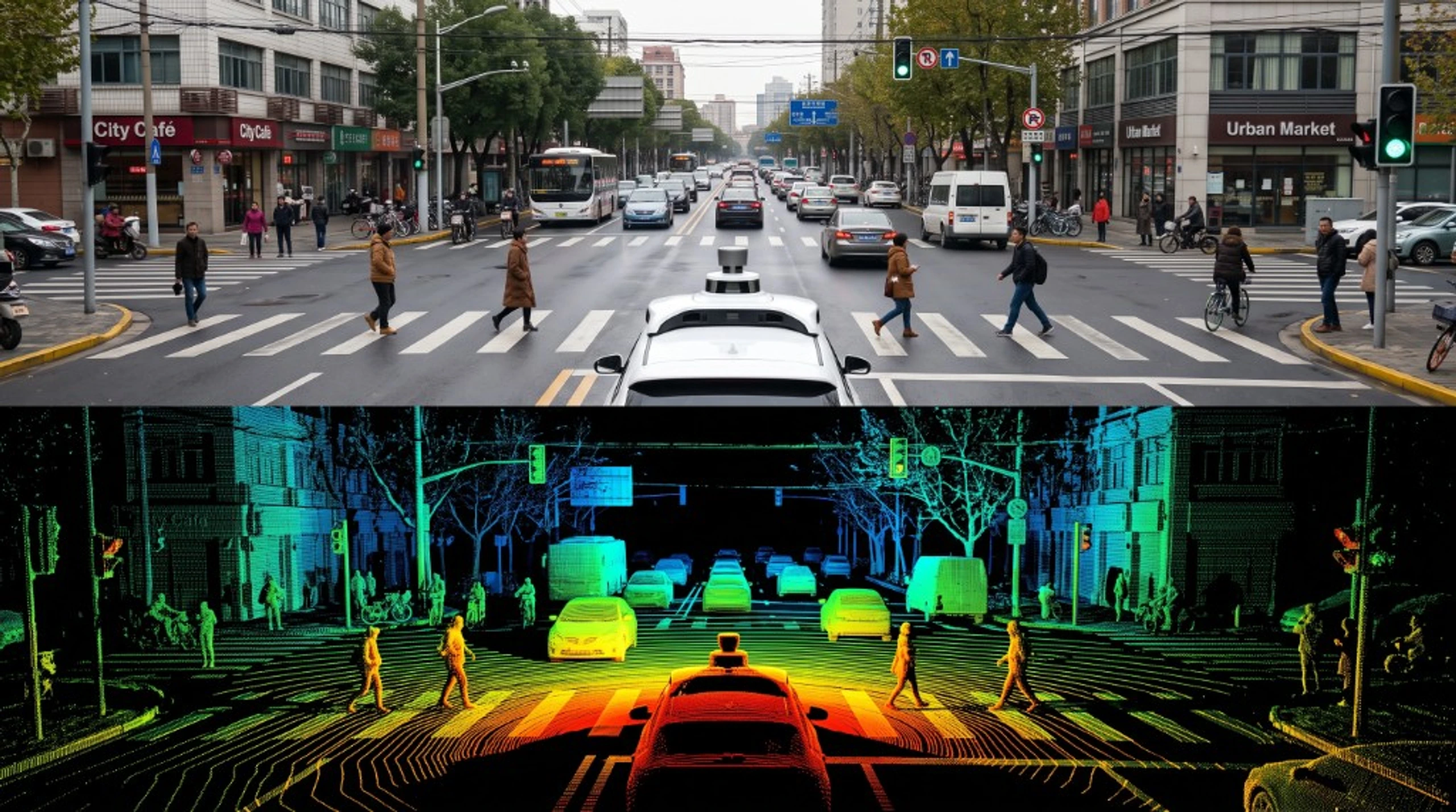
Multimodal Projects Combining Camera & LiDAR Data with Shared Scene Context
Camera and LiDAR data are organized together rather than annotated as separate projects, so a cuboid placed in the point cloud and its corresponding 2D box on the camera frame reference the same underlying object. Calibration between the two sensors happens before annotation starts, which means cross modal consistency is a property of the pipeline setup, not something a reviewer has to catch by eye after the fact.
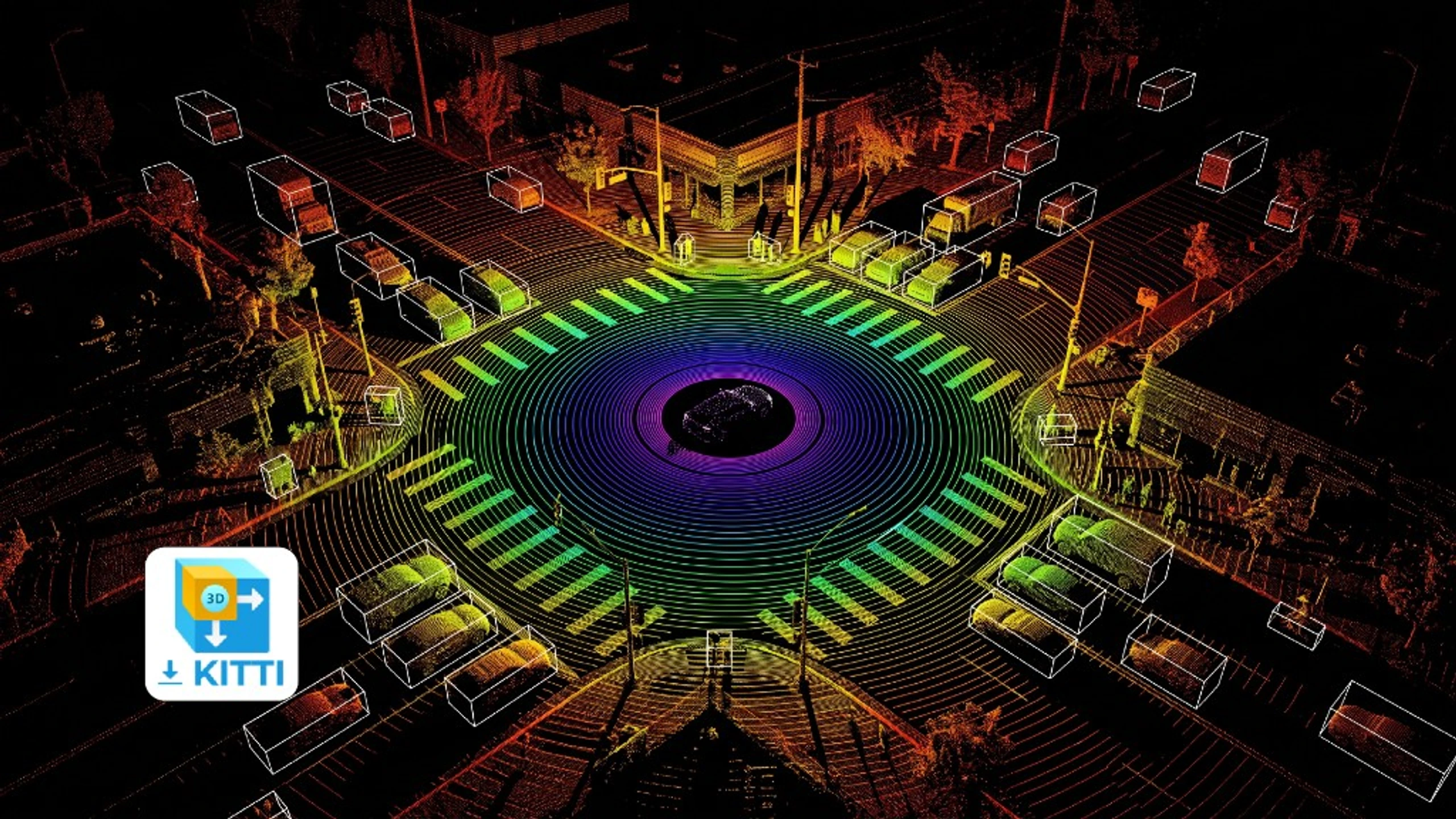
KITTI 3D Export
KITTI is the export format built for 3D geometry specifically, position, dimensions, and orientation preserved in the structure driving scene and robotics models expect. Point cloud annotation delivered in any other format risks losing exactly the spatial detail a 3D model needs, which is why LabelFort exports natively in KITTI rather than converting from a 2D first format after the fact.
FAQs
What 3D geometries does LabelFort support?
We provide true 3D cuboids on point clouds, including position, dimensions, and orientation, edited across synchronized perspective and orthographic views, as well as 2D depth cuboids on images. Point level segmentation is not currently available. We prioritize transparency in our capabilities.
Can LabelFort handle camera and LiDAR together?
Yes. Both lidar annotation and point cloud annotation support multimodal projects. Synchronized camera and LiDAR files are organized together, helping annotators work with the complete scene context. Exports retain each modality geometry in its native format: KITTI for 3D, COCO or YOLO for camera frames.
How is calibration between camera and LiDAR handled?
Calibration between camera and LiDAR is handled before annotation starts, not left to the annotator to reconcile. Shared scene context means a cuboid placed in the point cloud and its corresponding 2D box on the camera frame reference the same underlying object, so cross modal consistency is a property of the pipeline setup, not something reviewers have to catch by eye.
Can new object classes be added mid-project?
Yes. A capture program doesn't need to declare its full object taxonomy up front. New object classes, an unusual vehicle type, a novel obstacle category specific to one site, can be added mid project the same way an ontology update works on any other modality, versioned so earlier cuboids aren't silently reinterpreted under a definition that didn't exist when they were placed.
Related services
Image Annotation
Enhanced precision and reliability for vision based models, with evidence packs that support review and confidence.
Read More
Video Annotation
Better recall for dynamic events, with continuity that holds across every frame.
Read More
Text Annotation
Robust datasets that support stable and accurate language models.
Read More
Ready to evaluate LabelFort against your regulator’s checklist?
Begin with a one hour Compliance Review. We map your risk surface to LabelFort's controls & develop an evidence grade proof of concept using your data & requirements. There are no open trials or hidden pricing.
Certifications & readiness