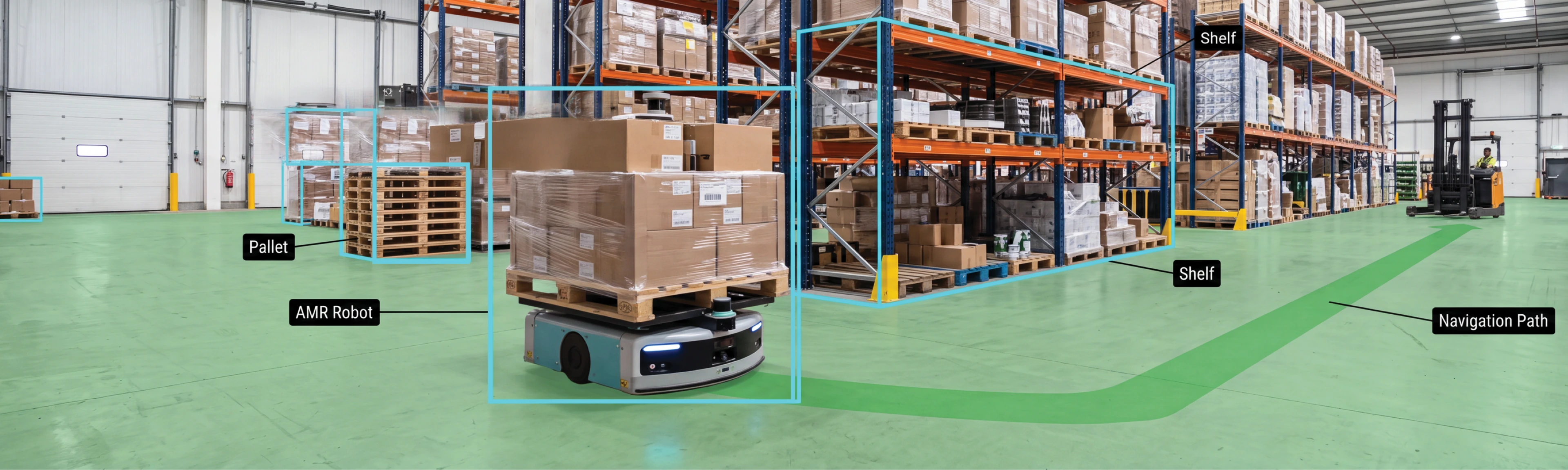
Keypoint, pose, and skeleton workflows.
LabelFort builds robotics and embodied-AI training data, skeleton-based keypoint and pose annotation with reusable schemas (COCO-17 plus custom skeletons), video tracking, and episode tagging through configurable forms, with governed QA and full audit trails.
Embodied AI teams iterate fast on data, new skeletons, new taxonomies, new camera rigs. LabelFort makes the schemas reusable and the QA constant: COCO-17 and custom skeleton definitions with per-joint attributes, video tracking pipelines, and form-based episode tagging for manipulation and teleoperation data.
As robotics programs move toward safety certification, the same audit primitives that serve AV and healthcare teams apply: measured agreement, role separation, exportable evidence.
New schemas, new rigs, the same governed QA.
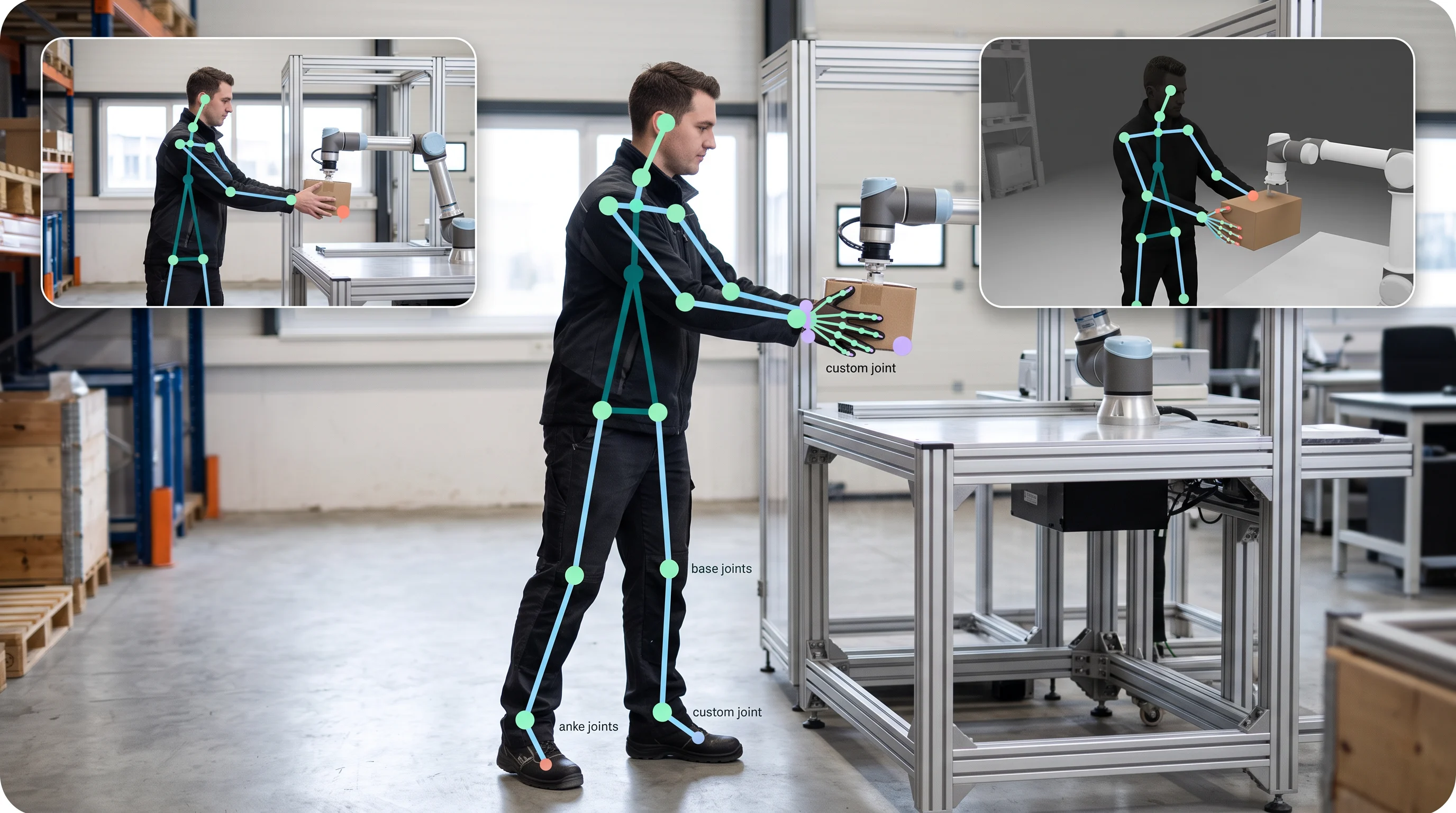
Keeping skeleton schemas reusable as taxonomies change
COCO-17 and custom skeleton definitions carry per-joint attributes, and schemas are reusable across projects so point order and visibility persist even as a team's taxonomy evolves. A new camera rig or a new joint definition doesn't mean rebuilding the schema from scratch, it means extending one that already exists.
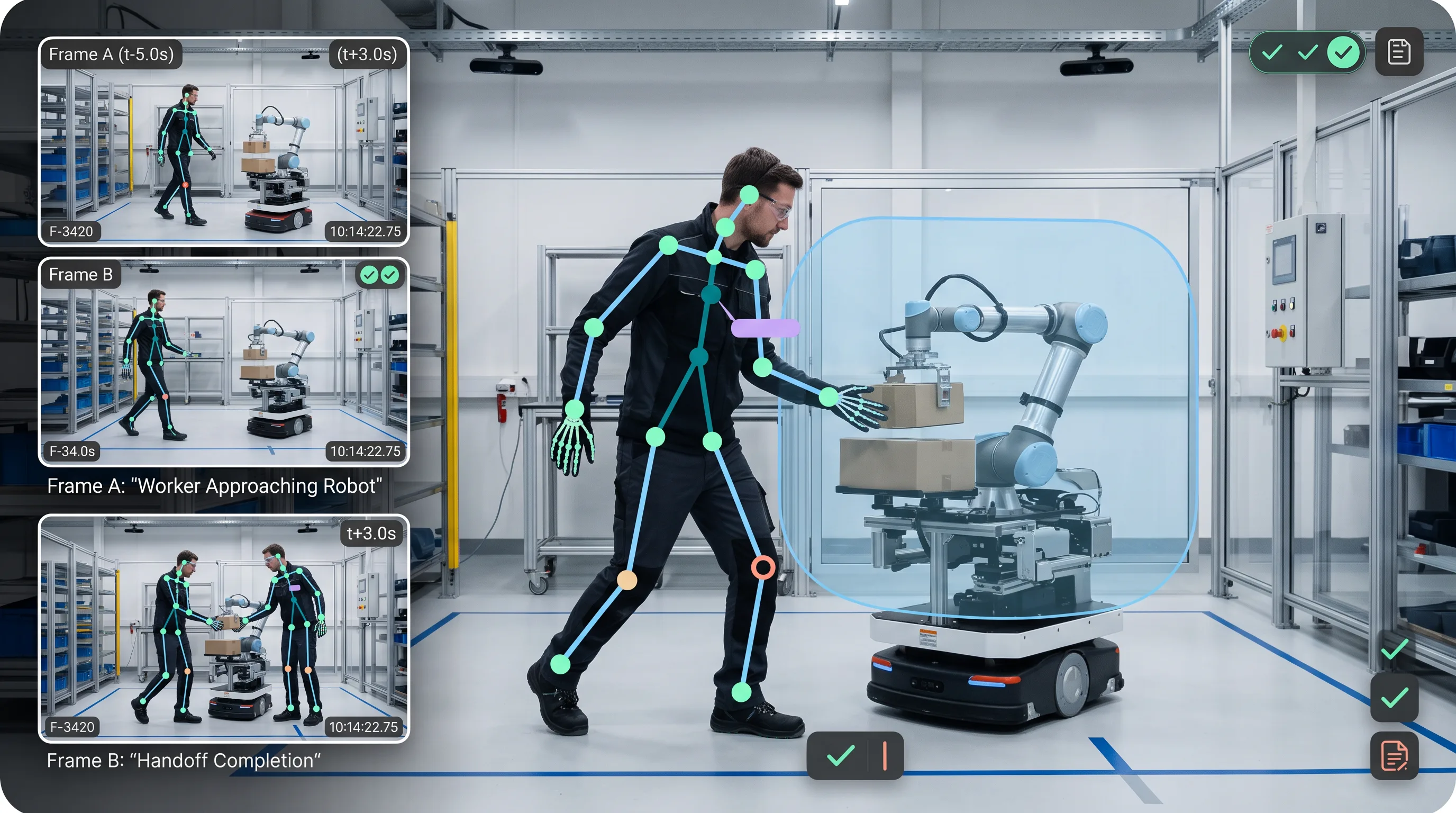
Shipping pose data with the same audit primitives as AV & healthcare
Pose estimation datasets ship with measured agreement, role separation, and exportable evidence, the same audit primitives that serve autonomous vehicle and healthcare programs rather than a lighter standard because the subject is a robot instead of a patient or a pedestrian. As robotics moves toward safety certification, that evidence is what a certification review will actually ask for.
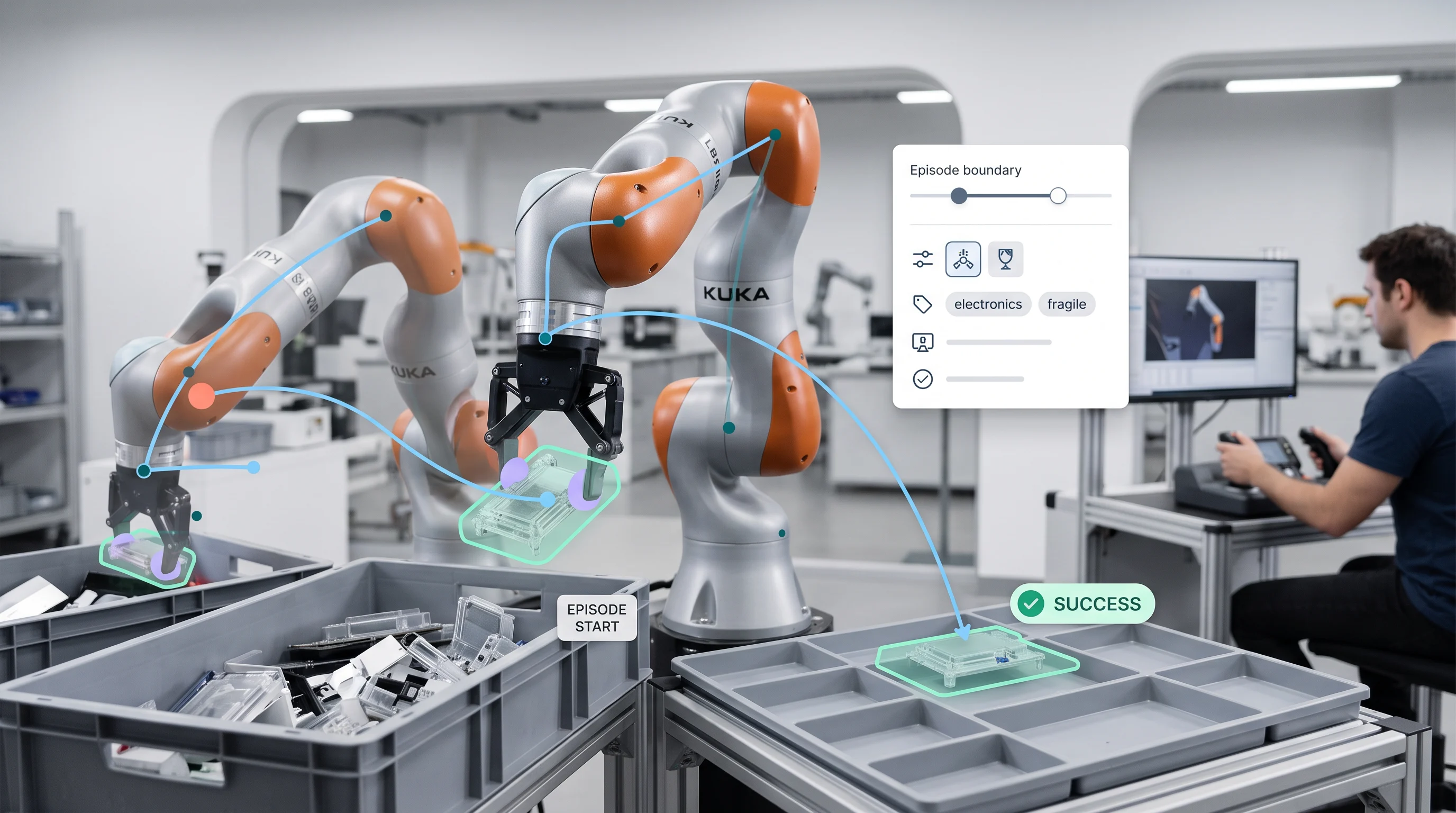
Tagging manipulation & teleoperation episodes through configurable forms
Manipulation and teleoperation data is tagged through configurable forms, episode boundaries, outcomes, and attributes scored under the same cohort level agreement standard as geometry work. A form built for a grasping task looks nothing like one built for a teleoperation session, and LabelFort builds to the episode type rather than forcing every project through one template.
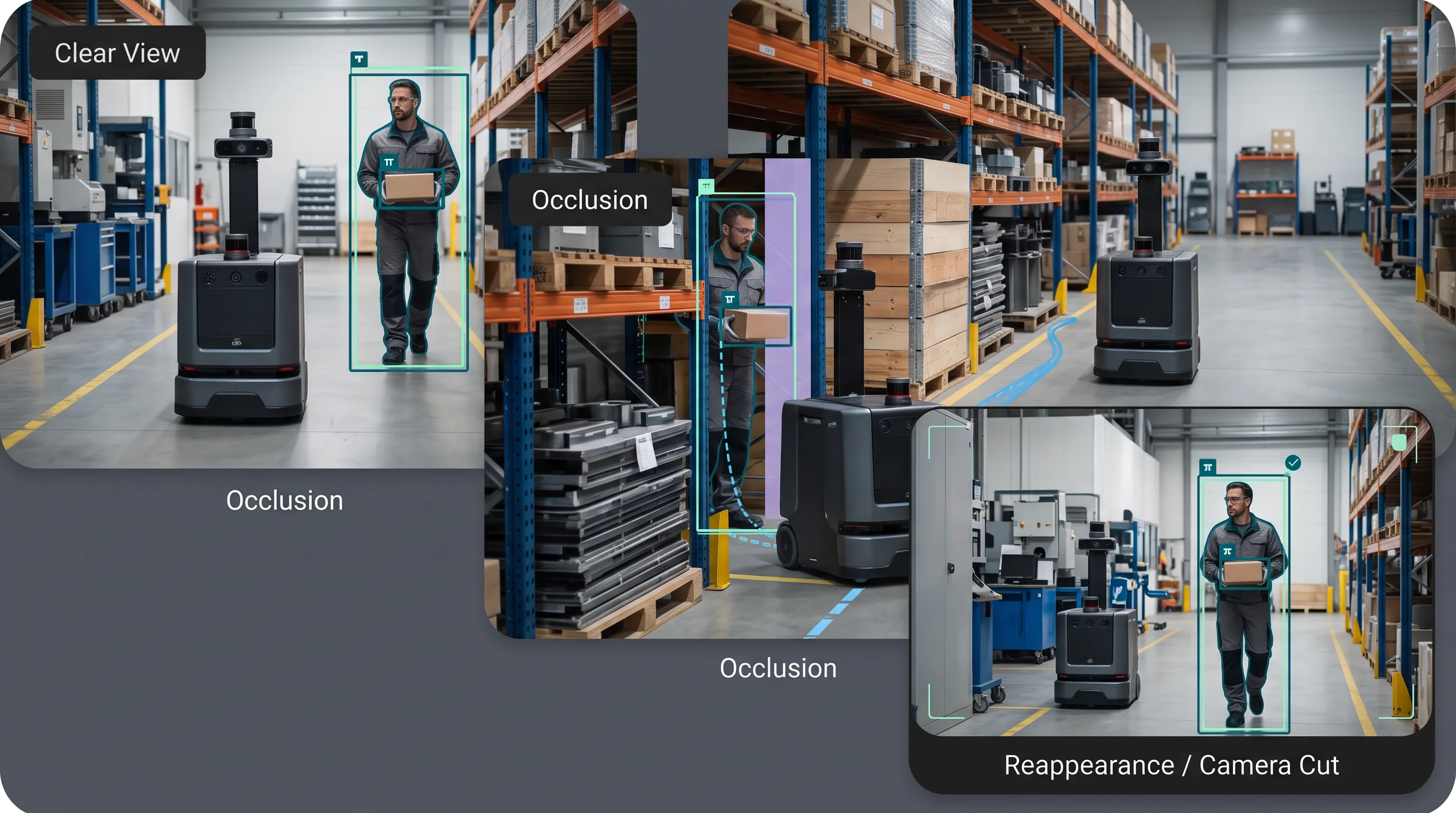
Tracking embodied AI footage through occlusions & camera cuts
Video tracking pipelines keep persistent object identities across occlusions and camera cuts, with keyframe interpolation and human verification before a track counts toward the record. The same tracking discipline applied to a dashcam clip applies to a robot's onboard camera feed, identity confirmed through the transition, not assumed automatically.
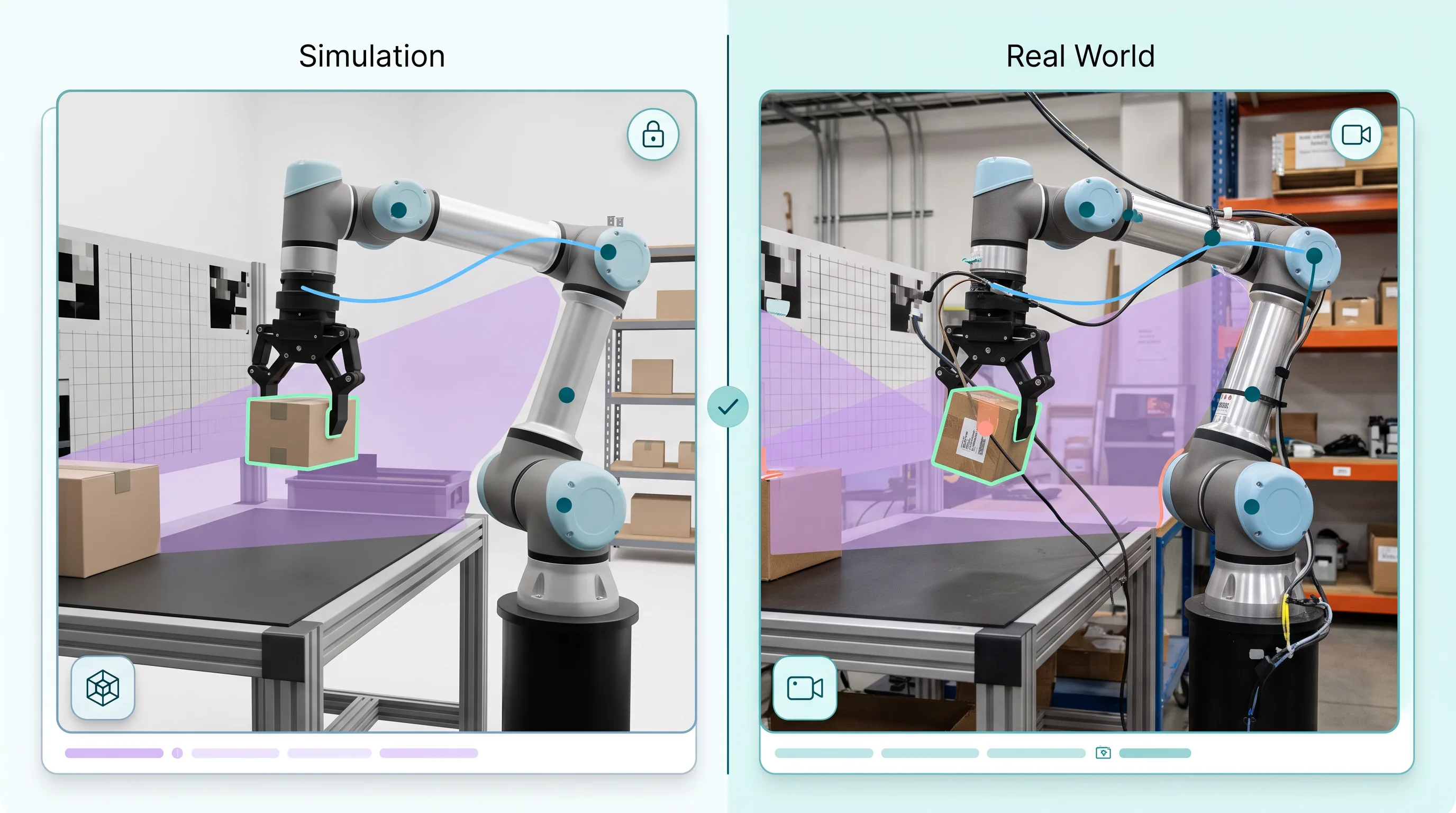
Keeping sim & real provenance distinct in validation sets
Sim-to-real validation sets are built under governed QA with full audit trails, so synthetic and real provenance never blur when a safety or certification review asks what the model was actually trained on. A dataset that mixes simulated and real footage without tracking which is which fails that question before it's even asked.
FAQs
Can LabelFort define custom skeletons?
Yes, reusable skeleton schemas beyond COCO-17, with per-joint attributes and preserved point order and visibility that persist across projects.
Ready to evaluate LabelFort against your regulator's checklist?
Begin with a one-hour Compliance Review to evaluate how our keypoint annotation & pose estimation align with your regulatory requirements. We develop an evidence-grade proof of concept using your data & constraints. There are no open trials or hidden pricing.
Certifications & readiness